
Skin, core and edges
Look for a molded fiberglass skin over a polyurethane foam core, with stiles and rails made from composite rather than finger-jointed wood that can wick moisture. Ask how the edges are reinforced where hinges and locks attach.

A plain-language guide to styles, materials, installation and choosing an installer, so you can read any door quote with confidence instead of guesswork.
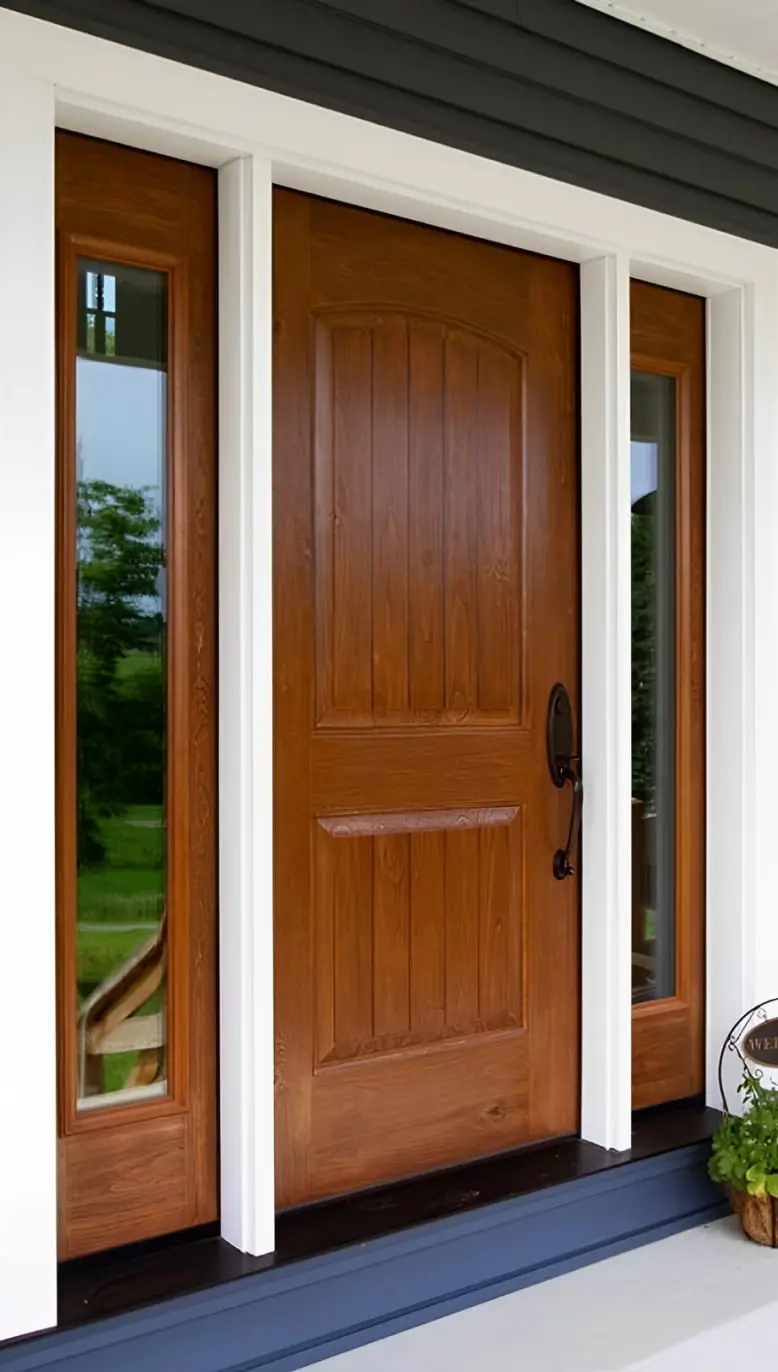
Fiberglass doors have come a long way. Today's skins are molded from real wood-grain patterns or left smooth for paint, wrapped around an insulating foam core and set in frames that don't soak up water. The result can pass for stained oak or a crisp painted panel while shrugging off the swelling, splitting and denting that retire many wood and steel doors early. That is why fiberglass ends up on so many shortlists, and why the quotes for it can look so different from one company to the next.

Online estimators ask these for a reason. Here is what each answer actually changes on a quote. We don't print dollar figures: prices vary by region, product line and the condition of your doorway, so itemized written quotes are the only numbers worth trusting.
Bring these answers to every installer so each quote is priced for the same job:
Ask every company to list the door, frame, glass, hardware, removal, disposal, trim and any repairs on separate lines. Then the quotes become comparable.
No personal details needed. Your answers stay on this page.
By Market Llamax Home Desk · Published · 9 min read
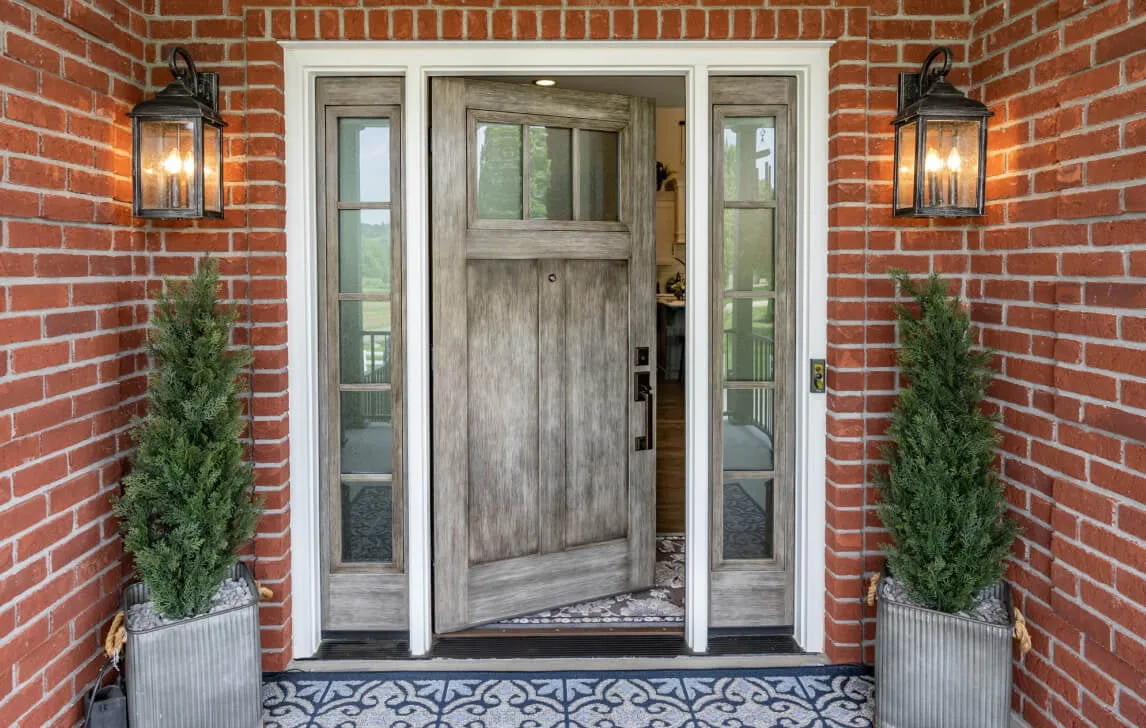
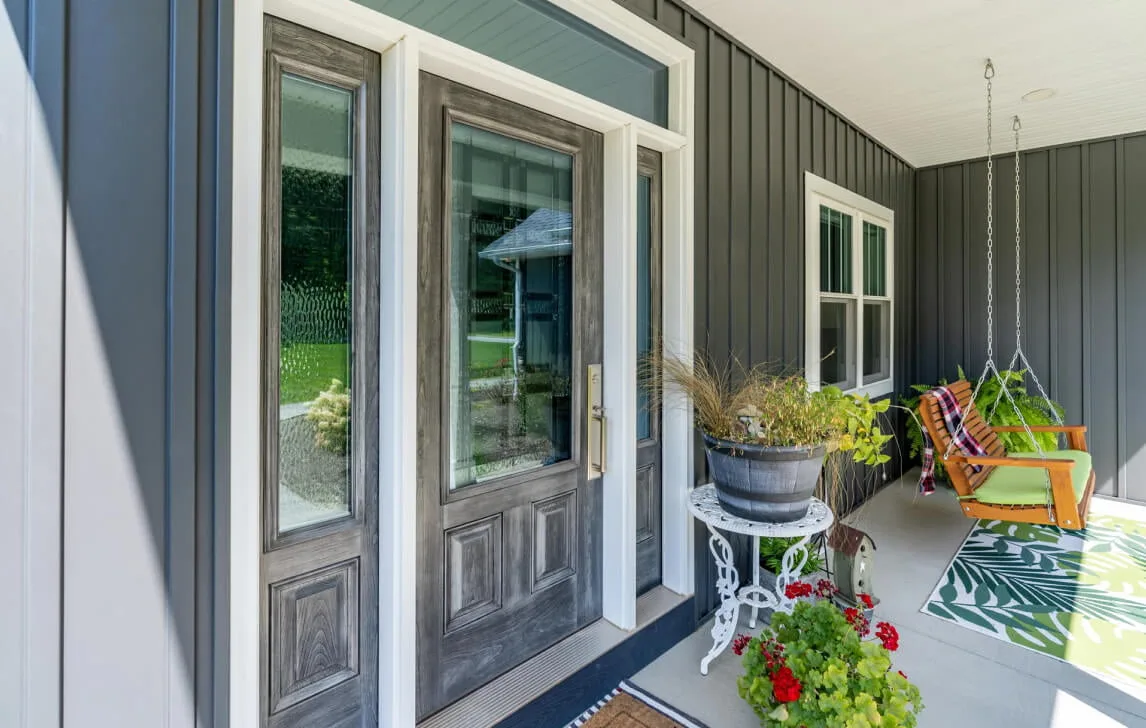
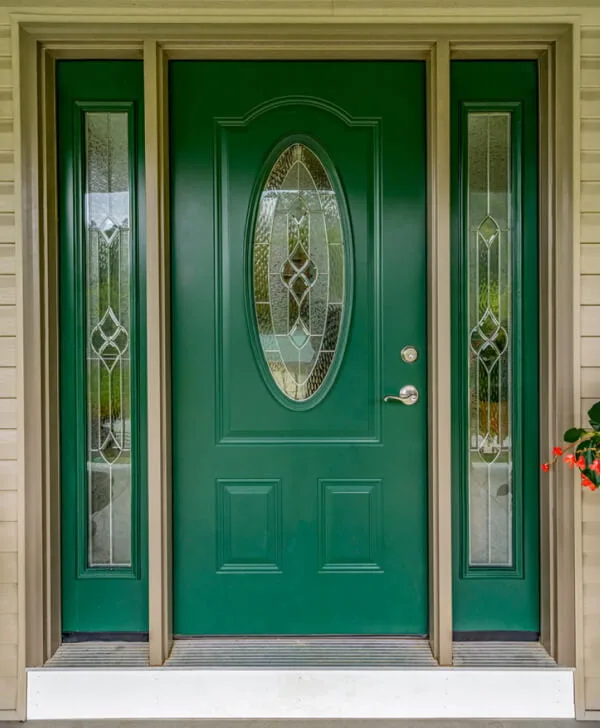
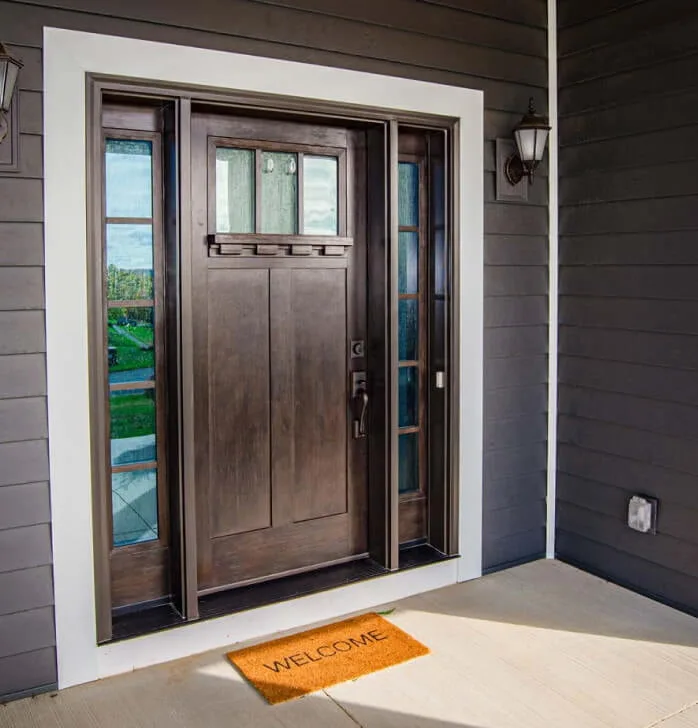
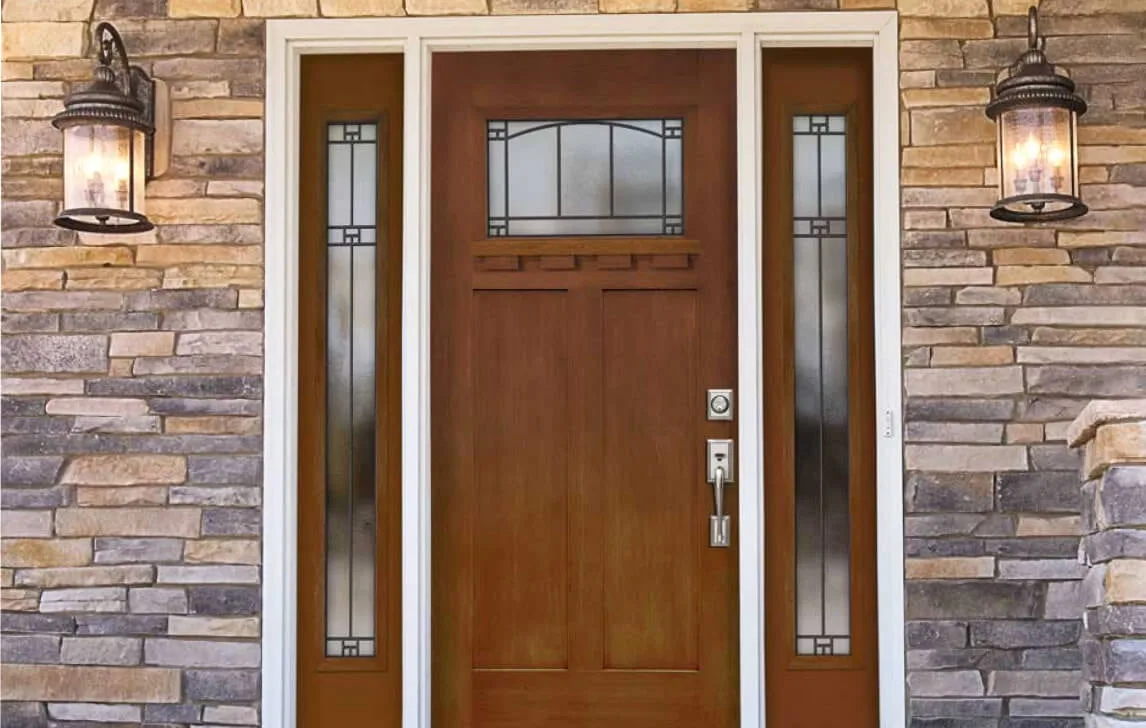
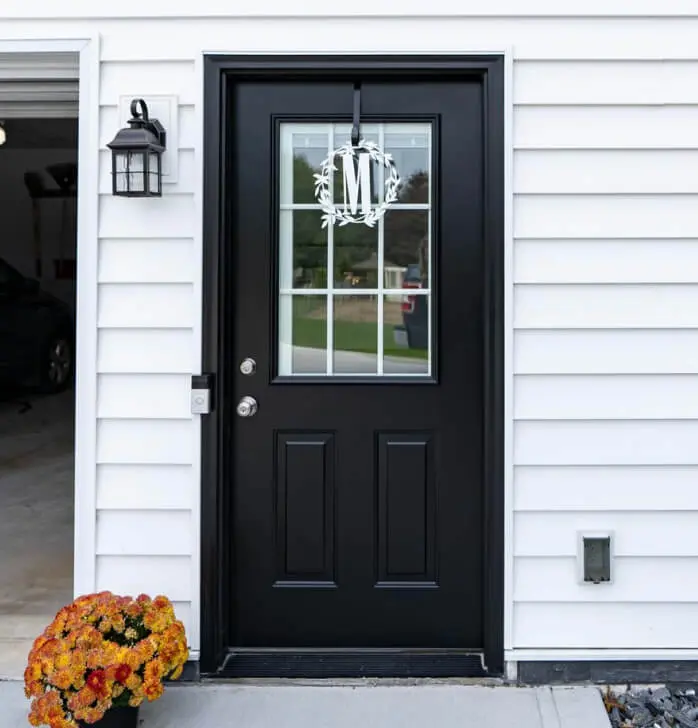
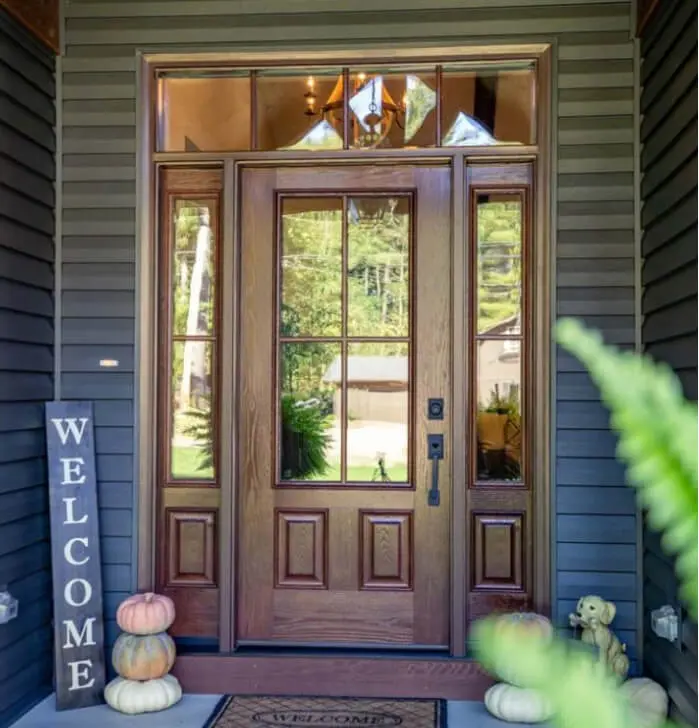
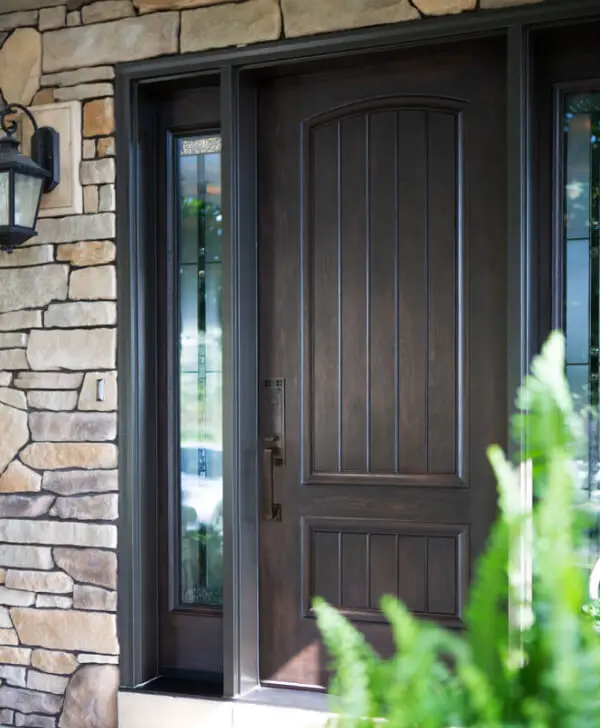
Because fiberglass is molded, it can imitate almost any traditional look. These are the families most homeowners end up choosing between.
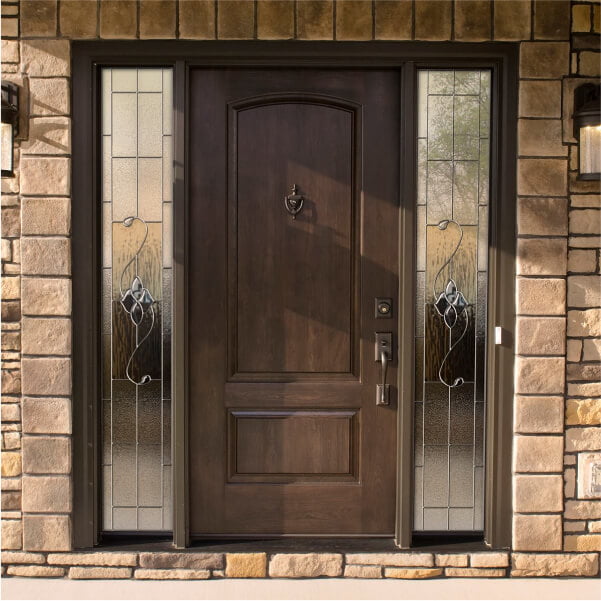
Embossed, grained skins are usually stained so the pattern shows through, while smooth skins are made for paint. Many lines let you pick one color outside and another inside to match your trim.
Look at real finish samples outdoors in daylight before you decide. Factory-applied finishes tend to be more even and durable than coats brushed on site.
Click on a sample to see a real-life photo ↓
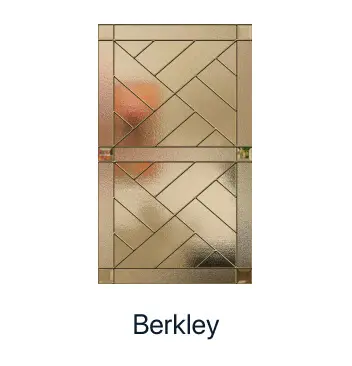
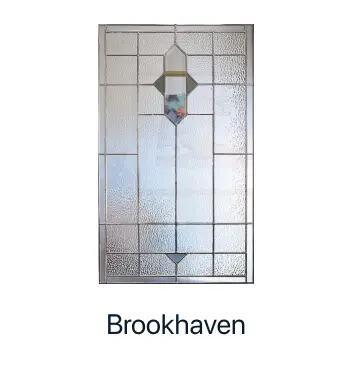
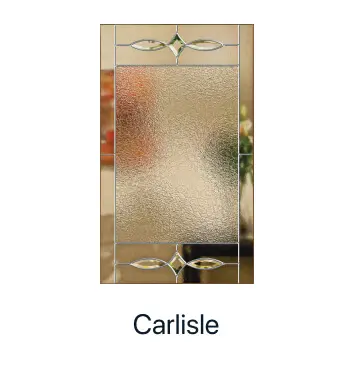
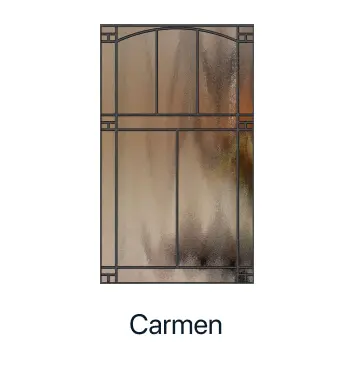
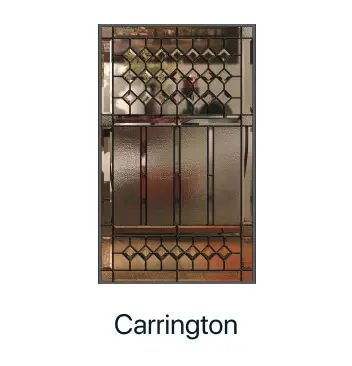
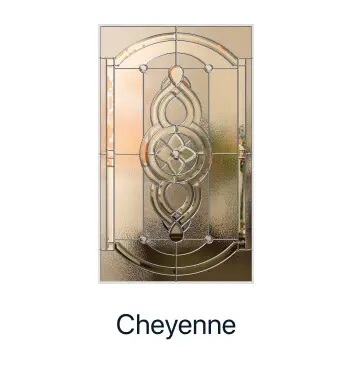

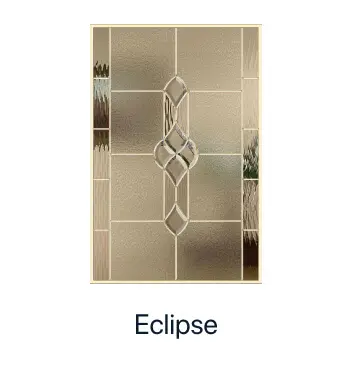
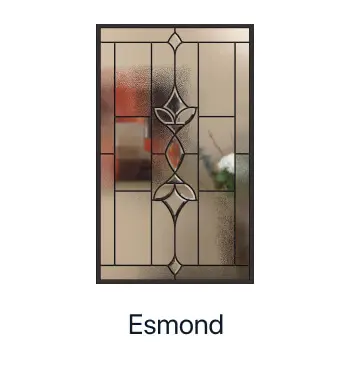

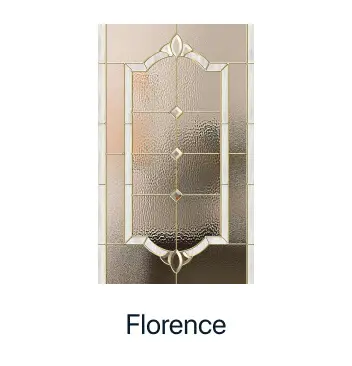
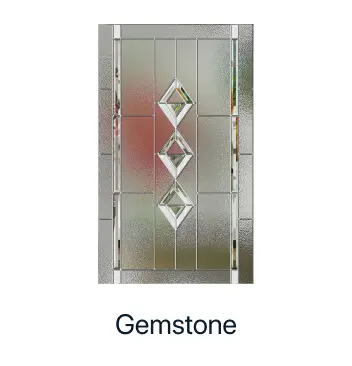
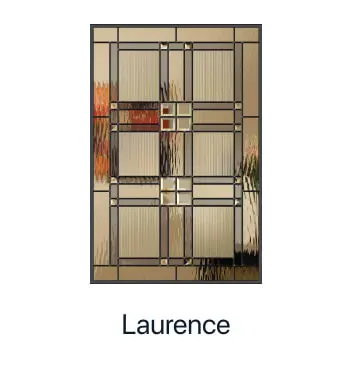
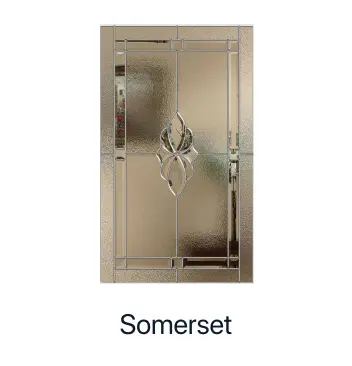
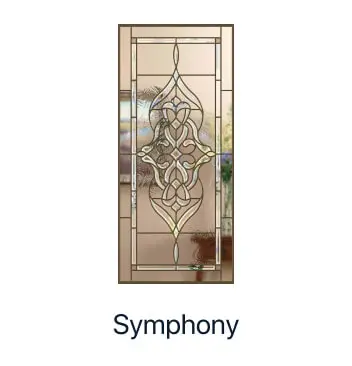
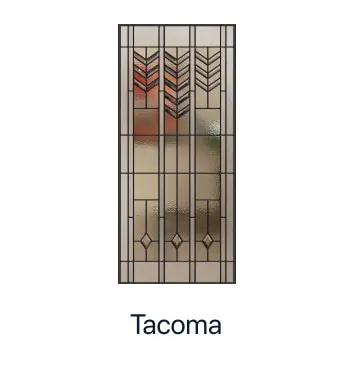
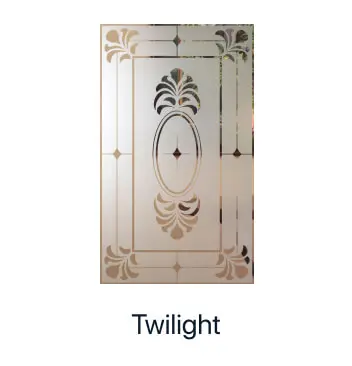
Shapes run from simple rectangles to arched tops, transoms and double doors. Each extra panel affects both the look and the size of the rough opening.
Two doors can look identical in a showroom and perform very differently after a few winters. These are the details to ask about.
Look for a molded fiberglass skin over a polyurethane foam core, with stiles and rails made from composite rather than finger-jointed wood that can wick moisture. Ask how the edges are reinforced where hinges and locks attach.
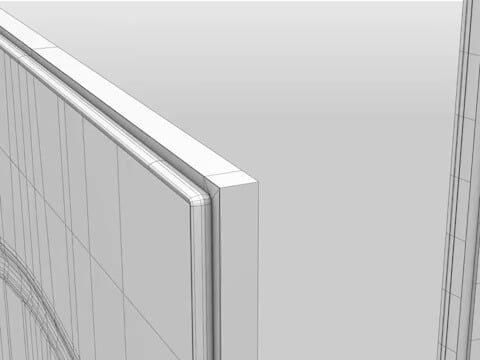
Comfort depends on the whole unit, not just the slab. Compression weatherstripping, a sealed bottom sweep and insulated glass all count. Check the NFRC label or ENERGY STAR status for the exact configuration you are quoted.
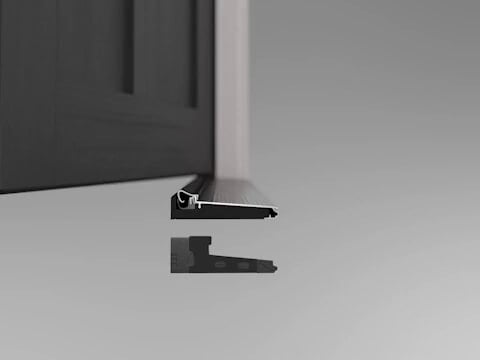
Most leaks start at the bottom. An adjustable threshold, a sweep that meets it evenly and a sloped, flashed sill pan keep water out where wind-driven rain hits hardest.
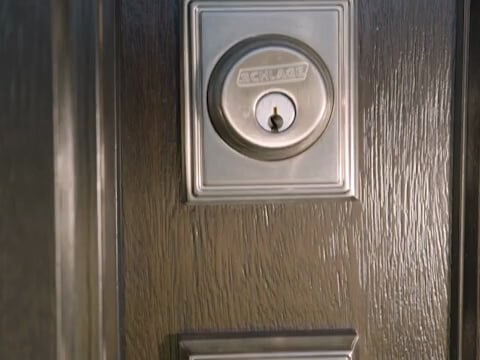
Multipoint locks latch into the frame at several points, and long screws that reach the wall framing make strike plates much harder to force. A strong slab in a weak frame is still a weak door.
Each material has its place. Here is how they generally compare on the points homeowners ask about most.
| Feature | Fiberglass | Wood | Steel |
|---|---|---|---|
| Look | Convincing wood grain, or smooth and ready for paint | Authentic grain, weight and character | Smooth, usually painted |
| Dents & dings | Resists dents; a severe impact can crack the skin | Can gouge, but is repairable | Dents fairly easily and is hard to fix invisibly |
| Moisture | Won't rot, swell or warp | Needs sealing; can swell, warp or rot | Can rust where the coating is scratched |
| Upkeep | Occasional cleaning; refinishing is rare | Regular refinishing, especially in full sun | Touch up scratches promptly |
| Insulation | Foam core; generally good | Moderate; depends on thickness | Foam core; metal edges can conduct heat |
| Price tendency | Usually mid to upper range | Often highest for solid custom wood | Often the lowest upfront |
These are general tendencies. Quality varies widely within each material, and security depends mostly on the frame and locks rather than the slab.
Bring these answers to every installer so each quote is priced for the same job:
Ask every company to list the door, frame, glass, hardware, removal, disposal, trim and any repairs on separate lines. Then the quotes become comparable.
No personal details needed. Your answers stay on this page.
The back of the house usually gets the most glass and the most foot traffic. Matching the door type to how you use the space matters as much as the material.
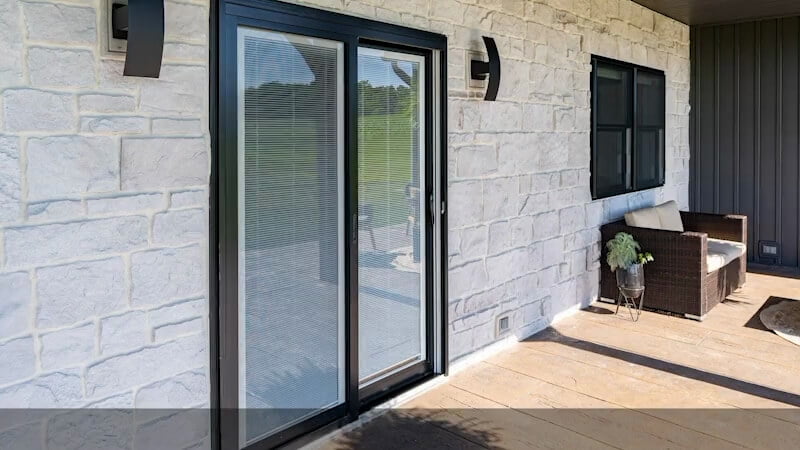
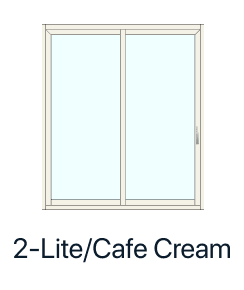
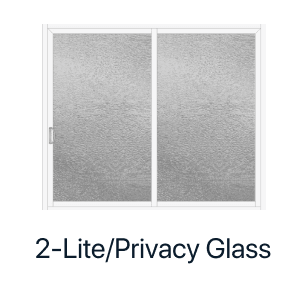
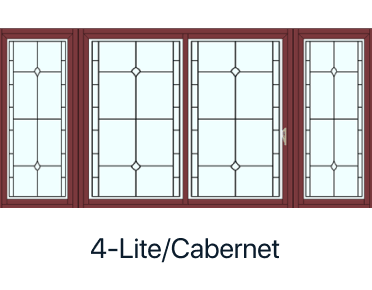
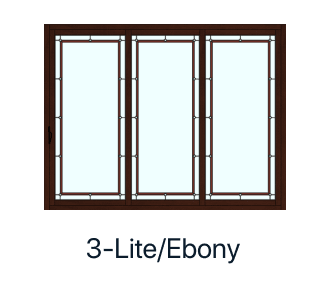
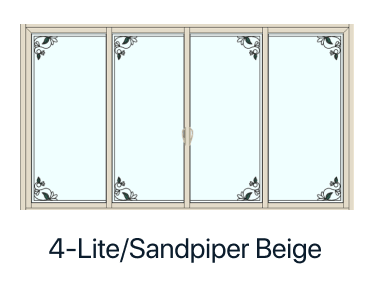
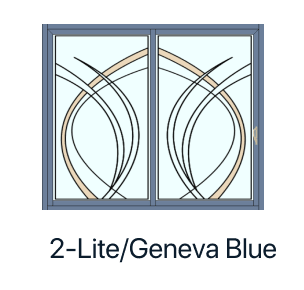
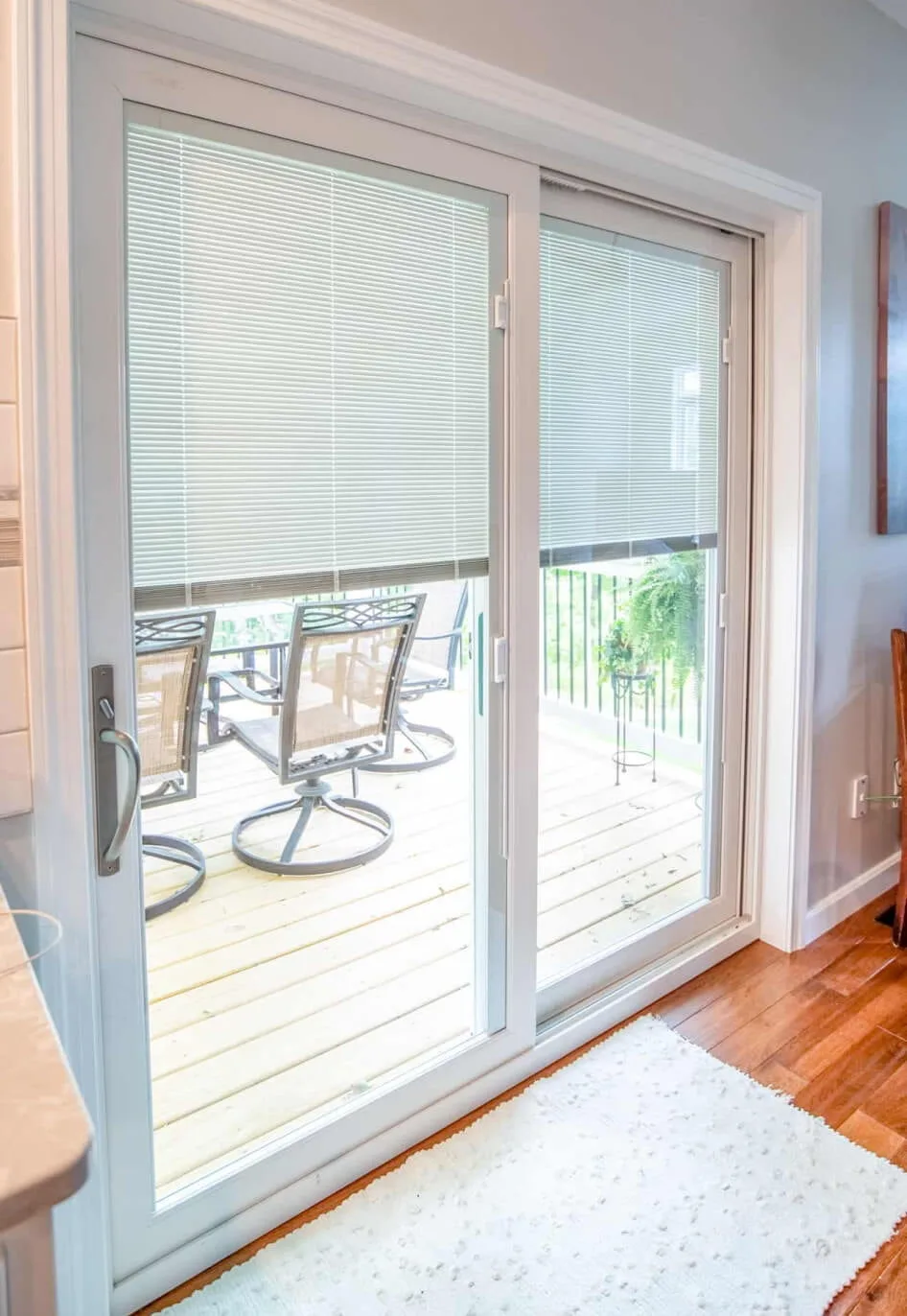
One panel glides past the other, so nothing swings into the room. A practical choice for decks, tight dining areas and spots where furniture sits close to the glass.
Two hinged panels open fully for a wide, traditional entrance that is easy to move furniture through. Plan for the swing clearance, inside or out.
One panel swings while its partner stays fixed. You get the look of French doors with less floor space given over to the swing.
Large glass on a south- or west-facing wall can heat up a room. Low-E glass and built-in blinds help, and they are easier to plan in now than to add later.
Lessons shared with our editors by readers who recently replaced entry or patio doors.
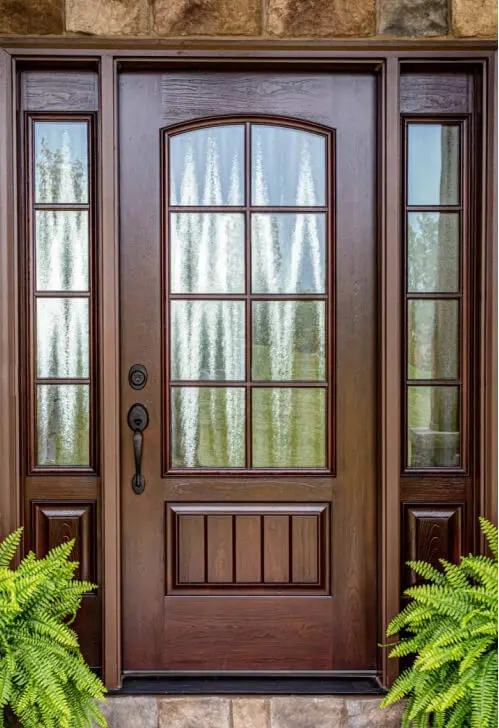
We nearly went with the lowest number until we noticed it covered the door slab only. The other two quotes replaced the whole frame and trim.
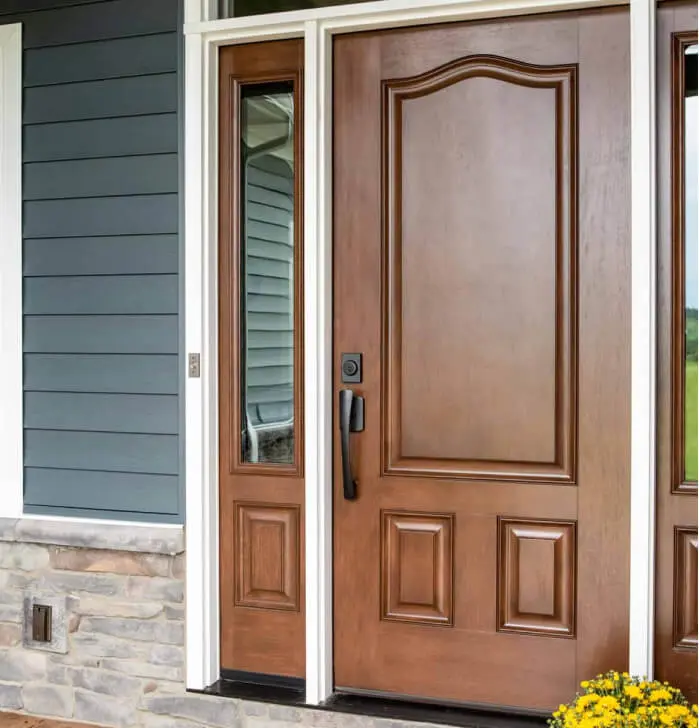
Ask about the threshold. Our front door faces open weather, so we chose an adjustable sill we can fine-tune as the house settles.
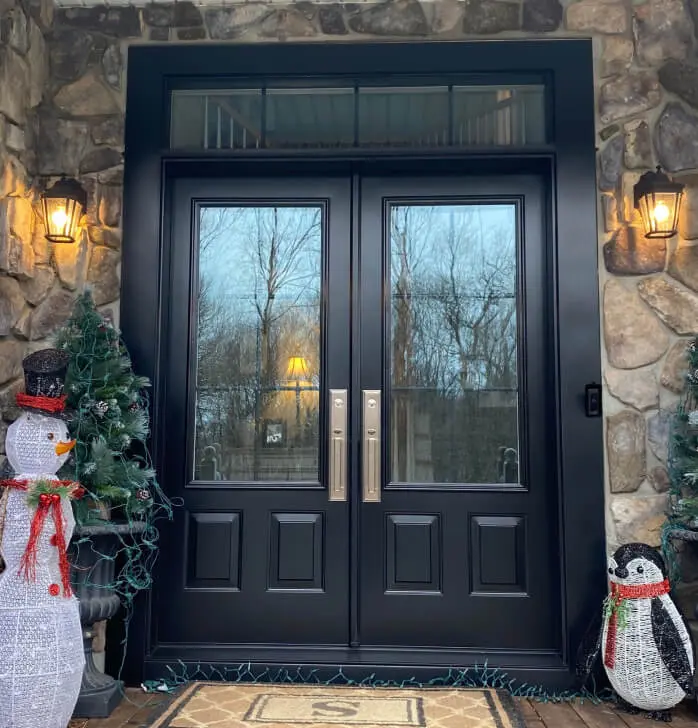
Pick the color last, and look at real samples outside. The shade we loved on a screen looked completely different against our brick.
Comments are shared anonymously and describe personal experiences, not typical results.
A premium door that is installed poorly will still leak, stick and let in drafts. These are the steps a careful crew follows, and the details worth asking about.
The installer measures the rough opening, checks it for level and plumb, and probes the sill and subfloor for soft spots.
Custom sizes, glass and factory finishes are built to order, so expect a wait. Ask for an estimated delivery window in writing.
The old door and frame come out, the opening is cleaned, and any damaged framing or sheathing is repaired before anything new goes in.
A sloped, sealed sill pan goes down first. The new unit is set, shimmed at the hinge and lock points, and fastened into the framing.
Gaps are filled with low-expansion foam, and the exterior is flashed and sealed so water drains away rather than behind the siding.
Locks and handles are fitted, the threshold and strike are tuned for a smooth latch, and the interior and exterior trim are finished.
You test every lock and swing, review the warranty paperwork and confirm the old door has been hauled away.
The company that installs your door often matters more than the name on the box. Hold every company you invite to the same yardstick.
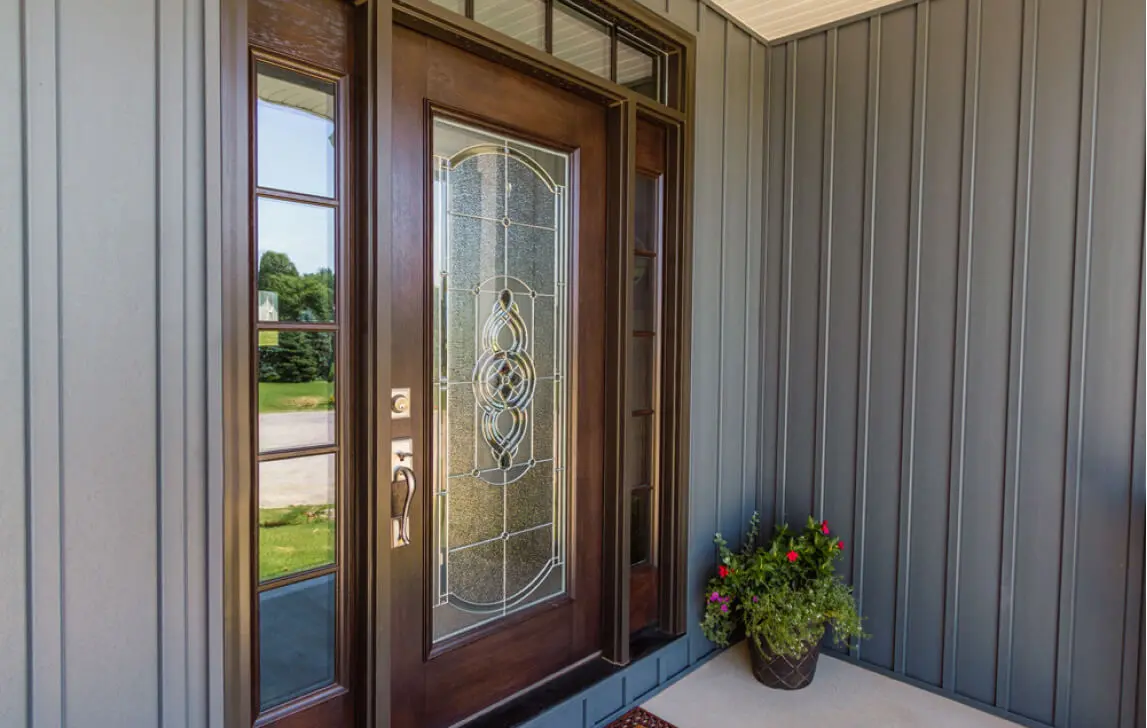
Ask for a contractor license number where your state requires one, plus proof of liability and workers' compensation coverage.
Some firms send their own employees, others hire subcontractors. Either can work well, but you should know who will be in your home and who supervises them.
The product warranty comes from the manufacturer; the workmanship warranty comes from the installer. Get both on paper, including what voids them.
Line-by-line pricing makes quotes comparable and keeps the agreed scope clear if questions come up later.
Opens a partner page in a new tab.
They usually sit between the two: often above basic steel doors and below solid custom wood. Size, glass, hardware, finish and installation decide the final figure, so compare itemized written quotes for the same configuration.
Because an honest number depends on your doorway, your region and the options you pick. Any figure printed here would be a guess. Written quotes from local installers are the reliable way to see your actual cost.
Many grained skins are molded from real wood and stained at the factory, so from a few steps away they can be hard to tell apart. Ask to see a full-size sample in daylight before you choose.
A foam-filled fiberglass slab insulates well, but the frame, weatherstripping, threshold and glass determine how the whole unit performs. Check the NFRC label or ENERGY STAR status for the exact configuration you are buying.
Many single-door replacements are finished in a day once the door has arrived. Rot repair, structural changes or large patio units can stretch that. Ask for the schedule in writing.
Yes, using products made for fiberglass. Factory finishes are generally the most durable, so refinishing tends to be an occasional job rather than routine upkeep.
It depends on your town, especially if the size of the opening changes. Many contractors handle permits for you; confirm who is responsible before work begins.
Sliding doors save interior space and suit tight rooms. French doors open wider and have a traditional look but need room to swing. Both can be secure and efficient when they are well made and properly installed.
The slab is only one part of the picture. A reinforced frame, long strike-plate screws and a quality deadbolt or multipoint lock decide how well any door resists forced entry.
Bring these answers to every installer so each quote is priced for the same job:
Ask every company to list the door, frame, glass, hardware, removal, disposal, trim and any repairs on separate lines. Then the quotes become comparable.
No personal details needed. Your answers stay on this page.
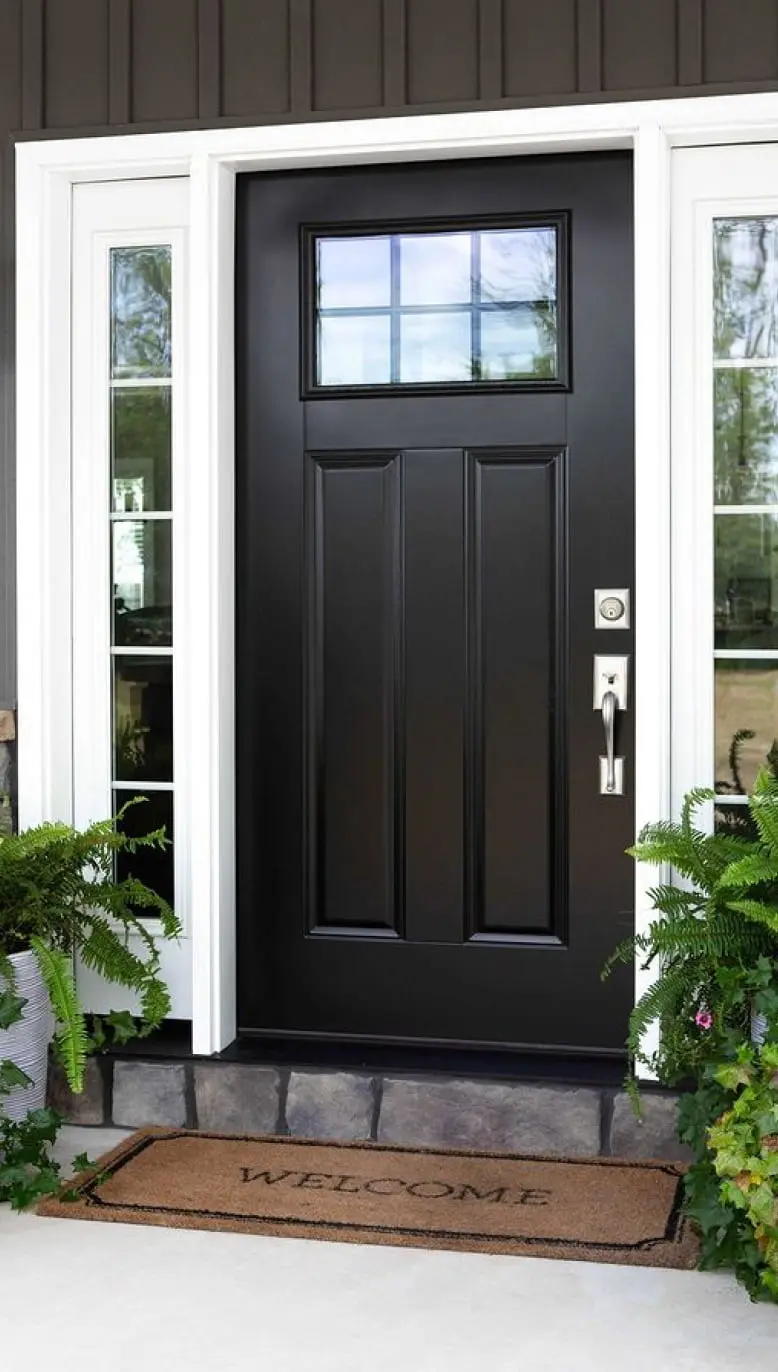
Take this checklist with you, gather at least three written quotes, and compare them line by line before you decide.
Get Started
This page is a paid advertorial brought to you by marketllamax.com. It is intended for promotional purposes only and should not be considered independent journalism, editorial content, or consumer advice. The content has been created or curated by the advertiser and may include affiliate links. We may receive compensation if you choose to purchase a featured product or service via the links provided. Please refer to our Advertising Disclaimer and Privacy Policy for more information.
Market Llamax Inc. is a publisher, not a door manufacturer or installer, and is not affiliated with, endorsed by or sponsored by West Shore Home or any door manufacturer unless stated otherwise. ENERGY STAR, NFRC and all other trademarks and brand names belong to their respective owners and are used for identification only.